Import culture has grown well beyond its original niche corner of the automotive world. What used to be a small, dedicated group of enthusiasts has turned into something far more visible, thanks in large part to social media, video games, and a broader appreciation for cars that were never officially sold outside Japan. For newcomers stepping into this space, though, it can feel like everyone else already knows a shared vocabulary you’re still catching up on.
The Basics of Import Terminology
Getting comfortable with the culture starts with understanding a few foundational terms that come up constantly. Chassis codes are one of the first things newcomers run into, since enthusiasts often refer to cars by their internal code (like S13, JZX100, or EK9) rather than a model name alone. Grey market imports refers to vehicles brought in through legal but non official channels, distinct from vehicles sold through a manufacturer’s authorized dealer network.
The 25 year import rule also comes up often in conversations about JDM motors and vehicle eligibility, referring to the U.S. regulation that allows vehicles 25 years or older to be legally imported and registered, regardless of whether they originally met U.S. safety and emissions standards. This single rule explains why certain older Japanese models suddenly become far more visible on American roads once they cross that age threshold.
Why the Culture Has Grown So Much in Recent Years
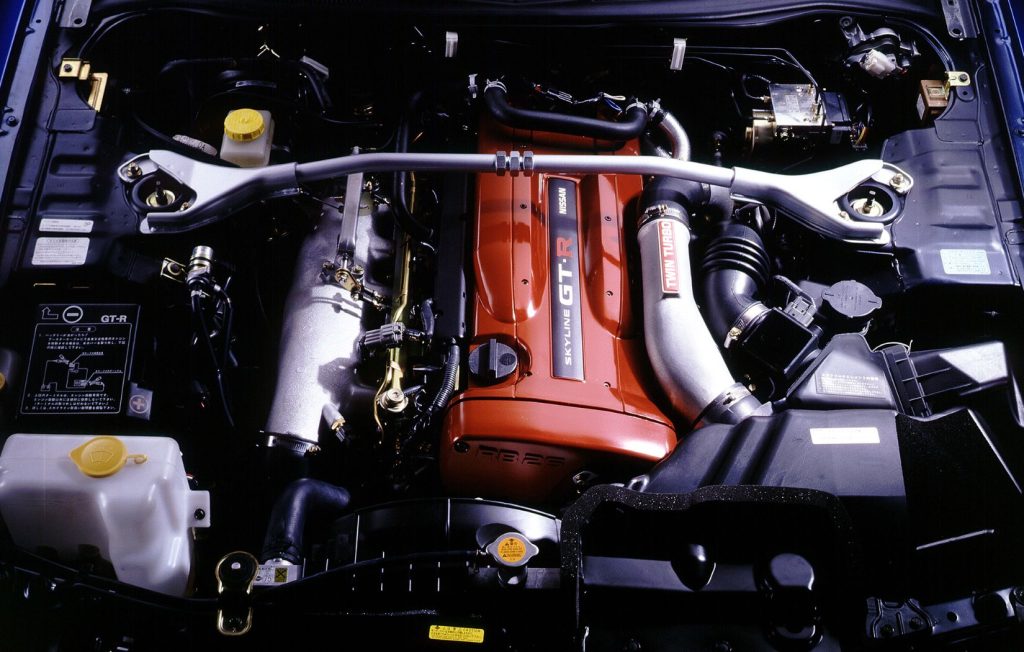
A few specific factors have driven the recent surge in visibility. Social media has made it easy for builds, meets, and rare vehicles to reach an audience far beyond the local enthusiast community that would have seen them a decade ago. Racing and driving video games have introduced entire generations to specific models long before they had any real world exposure to them, building brand recognition and demand well ahead of ownership.
The 25 year import rule has also had a compounding effect over time. As more previously unavailable models cross that eligibility threshold each year, the pool of legally importable vehicles keeps expanding, which continues to fuel new interest and availability.
Common Ground Between Enthusiasts and Builders
One of the more interesting aspects of this culture is how it bridges people who will likely never own one of these vehicles with people actively building and modifying them. Car meets bring together casual fans, photographers, and serious builders under the same roof, all drawn by a shared appreciation for the same models. Online communities function similarly, with discussion ranging from casual admiration to deeply technical build advice, often within the same thread.
This overlap is part of what makes the culture feel more welcoming than a lot of other automotive niches. You don’t need to own a build to be part of the conversation.
Getting More Involved as a Newcomer
For anyone looking to move from casual interest to more active involvement, a few starting points tend to work well:
- Attending a local car meet, even just to observe and talk to people rather than show up with a build of your own.
- Following reputable community resources and forums rather than relying solely on social media clips, which often lack context or accuracy.
- Spending time researching before making any ownership or purchasing decisions, since the culture rewards patience far more than impulse.
Take Time to Learn Before You Commit
Getting into import culture doesn’t require rushing straight into ownership or a first build. Understanding the terminology, the history behind the 25 year rule, and the community itself gives newcomers a much stronger foundation before making any real decisions. The enthusiasts who stick with this hobby long term are usually the ones who took the time to learn the culture first, rather than jumping in without that context.
Categories: Business
